Gripped Magazine
Popular Climbing Log Site Adds New Safety Section for Bad Bolts and Loose Rock
The climbing site 8a.nu, which is one of the climbing world’s leading places where climbers can log their climbs, has added a safety section. It was added after a climber died in Kalymnos after several bolts broke – read more about the incident here.
The new safety section on 8a.nu, which is officially called Vertical-Life, includes options to make notes about band anchors, bad bolts, loose rock and more. It also has a “bolting issues” section that includes categories like anchor is hard to clip, bad clipping, dangerous fall potential, and high first bolt.

Access and development groups worldwide are constantly trying to keep up with keeping climbs as safe as can be. In response to the tragic accident in Kalymnos, Rebolt Kalymnos closed several crags to update hundreds of old expansion bolts with new titanium glue-in bolts.
The addition of the safety section on 8a.nu is a big step toward keeping climbers safe. If you find loose rock or bad bolts and you don’t use 8a.nu, track down your local climbing group on social media and let the know. Spring can be a sketchy time on sport routes, as climbs go unused and suffer from freeze-thaw through the winter. Scroll down for spring climbing tips.
Spring Tips/Reminders
Loose Rock:The freeze–thaw cycle caused by cold temperatures is a major factor in loosening rock. When climbing on routes known to be loose, test every hold with a light tap before committing your weight. Even well-established areas can have loose rock, so caution is always warranted. Wear a helmet and stay alert to unstable rock. If you encounter a loose rock, warn others before moving it, either by clearly announcing that you’re removing it or carrying it down. If you accidentally dislodge a rock, shout “Rock!” immediately to alert everyone below.
Complacency: Clear communication with your belayer is essential. Know your calls, from “On belay” to “Secure,” and use them consistently. When you’re at the top of a route and threading the rope for a lower, make sure your belayer is ready and taking in slack as needed. On rappels, always ensure your ropes reach the next anchor or the ground. Tie knots in the ends of the ropes to prevent a catastrophic rappel error. Avoid rushing, descending is one of the most common points for serious mistakes. Do not simul-rappel unless you are properly trained, experienced, and practicing it under appropriate supervision. Take your time, and bring a headlamp if there’s any chance you could be delayed. If you’re climbing with someone more experienced and they suggest a technique you’re not fully comfortable with, especially if it feels rushed, trust your judgment and speak up. Experience doesn’t remove the need for caution. Even top-roping requires attention and practice. Here’s what not to do:
Clothing and Weather:It’s spring, so be prepared for rapidly changing conditions, sudden rain, wind, and drops in temperature are all common depending on where you’re climbing. Dress appropriately for the conditions and the style of climbing. For longer routes or alpine objectives, bring extra layers, including insulating pieces, gloves, a waterproof shell, and a headlamp in case things take longer than expected. At higher elevations, conditions can change fast and without warning. Snowstorms are possible even outside of winter, some mountain ranges, including the Rockies, have seen snowfall in every month of the year. Always plan for colder and wetter conditions than forecasted.
What to Pack: Check conditions ahead of time, if there’s still snow at the crag, plan accordingly. Bring a tarp and a rope bag to keep your gear dry and out of the dirt or meltwater. A small scrub brush can be useful, as lichen or dirt may have built up on less-travelled holds. If you’re heading to a remote crag, consider bringing flagging tape to help re-mark faint or overgrown approach trails so you can find your way out safely. Always carry the basics: food, water, a headlamp, and a fully charged phone in case of emergencies. A compact first aid kit is also strongly recommended, including items like basic pain relief, as injuries can happen. Be aware that some crags require a stick clip for safe clipping of the first bolt.
Bolts and Anchors: Protection bolts and anchors are not permanent. Be safe and carry a wrench that can tighten loose nuts on bolts and anchors. Every spring, climbers are surprised when bolts come off so go prepared. If you find loose bolts (the part drilled into the wall, not the removable hanger) report them to an access group immediately.
.
*Pitons: The freeze/thaw also pushes pitons out of cracks. If you’re climbing a route with pitons, bring a hammer and bash them it to be sure it’s solid. If you don’t know how to do that, avoid the piton routes.
.
*Booty: Booty is gear you find at the crag, in the alpine or on a route. If you come across quickdraws this spring, leave them. Chances are someone left them for a project. Never take quickdraws from a crag or route. Likewise, never take fixed ropes or buckets full of bolts either, those are someone’s property. However, if there’s one draw or biner on a bolt or a piece of gear in a crack, chances are it’s from bailing, and we call that booty. If you can wiggle that fixed cam out, it’s all yours. But we suggest doing some research and returning it to its rightful owner.
.
*Bolting: Many keen climbers want to add to the growing list of routes, but this could be dangerous. Before you bolt, learn about bolting. Ask around and practice with someone who knows their stuff. There’s more to it than just drilling a hole and smashing in a bolt.

Multi-Pitching: For multi-pitch routes, it’s best not to climb under another party because if anything falls (rock or gear) you’ll end up with it possibly hitting you. It’s really first come, first serve, so show up first or have an alternative route. Try your hardest to avoid jamming too many people onto a route because it can be dangerous. Imagine rappelling through five parties going up while you’re going down, there are many things that can go wrong so best to avoid those situations. Remember it’s spring, so north facing routes will still be cold and some access might be hard until summer. Do your research. And don’t forget to watch for birds and other life that might call those cracks and pockets home. Keep yourself and everyone around safe this spring.
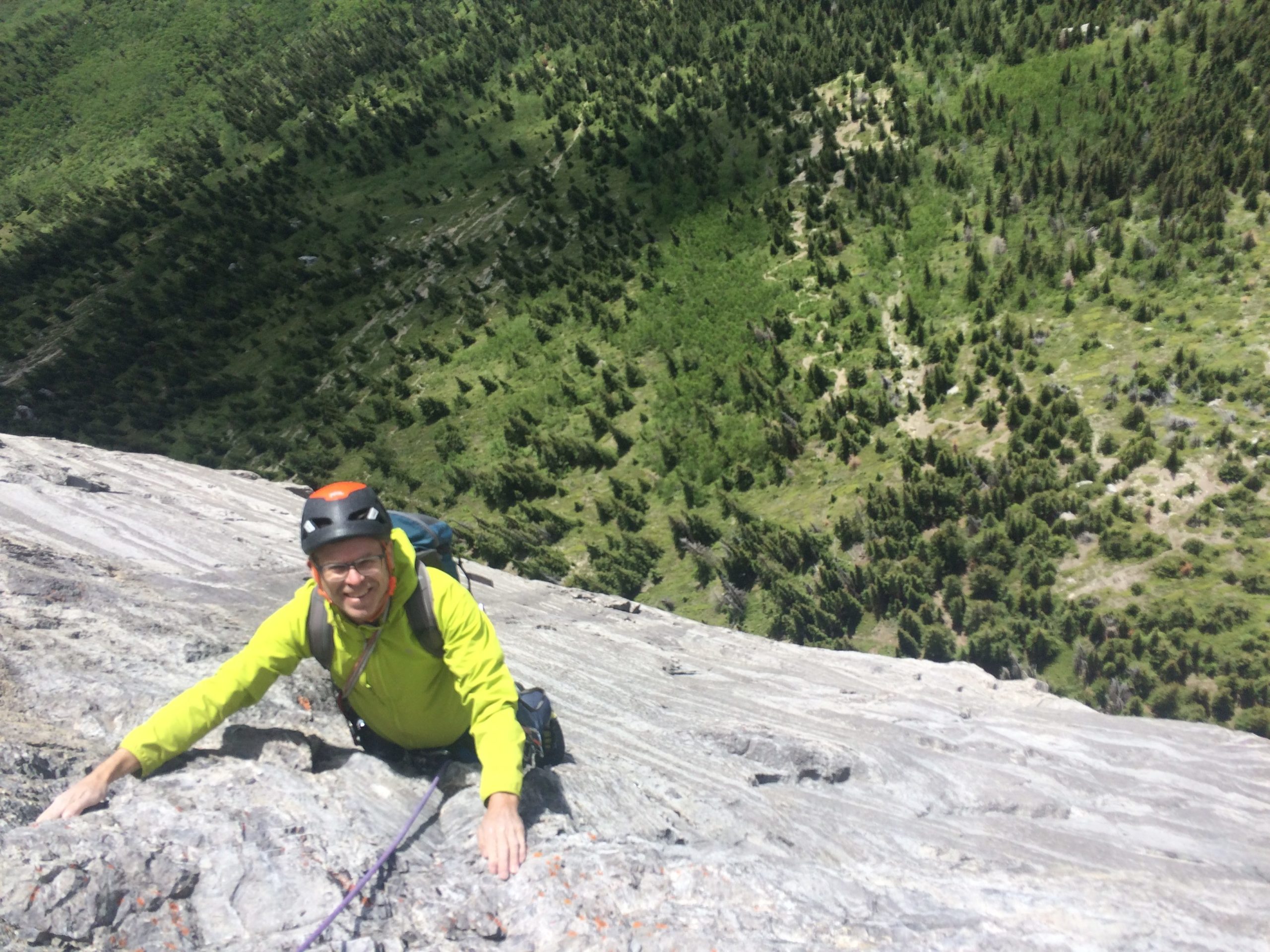
Injuries: You’re keen, it’s been a long winter. But don’t go getting on your project from last year without warming up on the stone first. Get a feel for it again. Save those tendons and joints, it’s going to be a long summer. Also, keep the local search and rescue phone numbers in your phone. If you’re heading somewhere without reception consider bringing something like a SPOT or InReach.
Plan B and Guidebooks: Climbing is very popular and this year there will be thousands of new climbers who head to your favourite crag. Be prepared. Show up early, know the quiet zones and if you’re crag is busy, have an alternative. There’s only so much rock so be nice and share. If it’s a busy weekend, don’t hog a route. If you’re on it and someone wants a go, leave you’re draws and anchor and they can go for a lap. Guidebooks are always updated, find the most updated one for the area you’re climbing at. Even if you know the sector you’re visiting, bring the guidebook, you never know when it will come in hand.
Ticks and Bears: Ticks are little insects that hang out at the base of warm crags and along approaches. Their bite can result in a nasty infection or worse, so try to avoid them and do a thorough tick check every day until tick season is over. Bring the bug spray as the mosquitoes will be out in full force soon. Remember its bear season and most of our climbs are in bear habitat. Educate yourself about where you’re climbing and take the necessary precautions such as bear spray and groups of four.
Access and Common Courtesy: Remember access issues impact your local climbing. Check the local access situations before heading to that crag you’re not sure about. Respect wildlife and seasonal closures in parks, no access signs and the ethics of your local crag. If you can’t anchor off trees then don’t anchor off trees. Park where you’re supposed to, pack out your garbage, keep the dogs behaving and let’s work together to ensure access for everyone.
The post Popular Climbing Log Site Adds New Safety Section for Bad Bolts and Loose Rock appeared first on Gripped Magazine.