Gripped Magazine
Make Your Climbing Gear Last Longer By Storing It Properly This Off-Season
As winter approaches, it’s time to think about how to store your gear for the coming months. Optimism that “one more good day” is just around the corner can result in a messy pile of unsorted kit sitting around for months on end. Winter is long, and storing your gear properly now ensures optimal performance next season and can even extend its lifespan. It’s also worth noting that a little bit of effort today can save your future self from spring cleaning when you’d rather be out climbing.
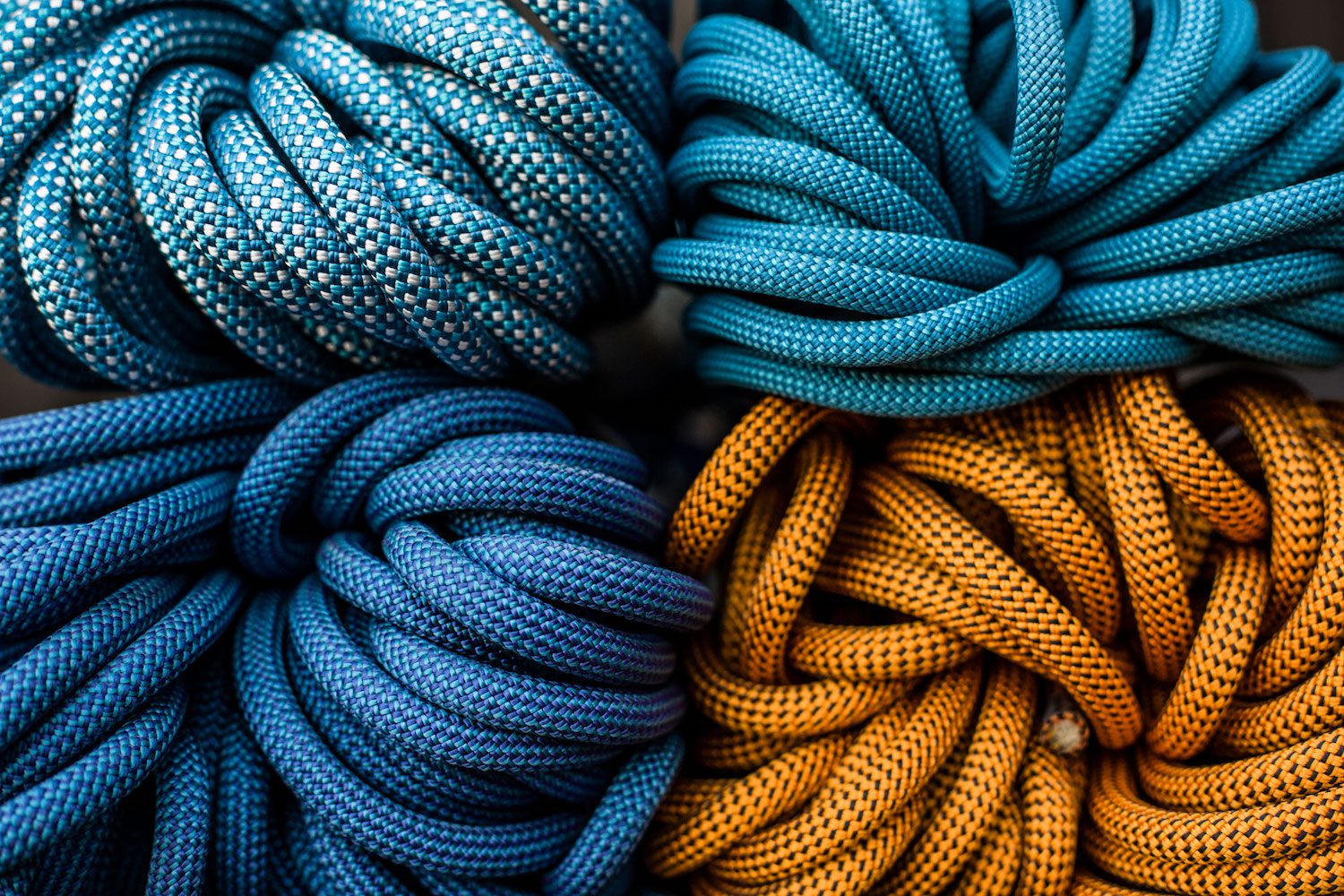
Rope
Some climbers like to wash their ropes, especially if they’re grimy after a long season. The choice is yours—but remember that good rope maintenance starts with prevention. Always try your best to keep your rope clean in the first place by using a rope bag or tarp when belaying outside and avoiding dragging it through puddles, dust, and mud.
When you’re done for the day, let your rope air dry fully, away from direct sunlight, and store it uncoiled to prevent kinks. Before storing it for the winter, wipe down your rope bag or tarp with a damp cloth and let it dry completely (or at least shake out the dirt). Flake your rope through a carabiner a few times to remove twists and kinks, then store it loosely piled in a bag or tote—not coiled—and ideally not stuffed tightly inside its rope bag.
Shoes
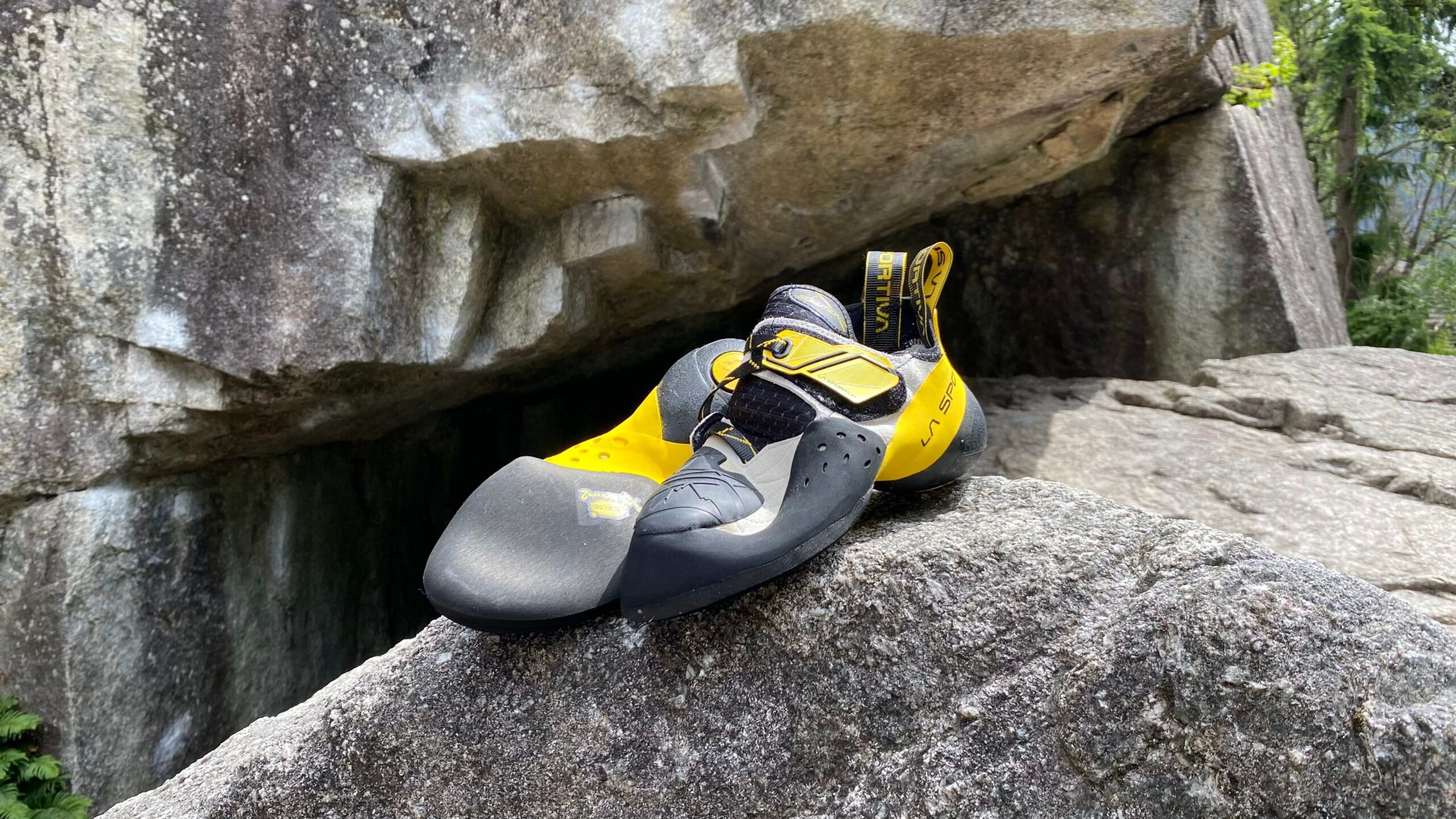
Chances are, you will not be packing your shoes away for the winter, but instead transitioning to using them in the gym. If you have specific outdoor rock shoes, like some crack climbing shoes, for example, they should be cleaned up and stored well. Wipe the soles with a damp cloth to remove dust and dirt before letting them air-dry completely (never in direct sunlight). If you’ve been looking after your shoes all season and exercising good habits to make your climbing shoes last longer, you shouldn’t need to deep clean or deodorize them. Store them in a well-ventilated space. Don’t lock them up in a bag or pile a bunch of gear on top of them. Give them space to breathe. The off-season is a great time to get your shoes resoled if they are ready for some new rubber.
Harness
Be sure to check your harness for wear and ensure it’s safe for continued use. Inspect your belay loop, tie-in points, and buckles carefully. Thinning of the nylon, fraying, or discoloration are signs that it’s time to get a replacement. Inspecting your harness now means you can plan ahead and replace it if necessary. Cleaning it before storage will hopefully result in your storage room smelling less like a locker room, and your gear will be ready for your next climb. Your harness should be stored in an open bin or on a rack, away from direct sunlight, moisture, heat sources, and chemicals that could damage its material.

Helmet
Your helmet also needs regular inspection and care. Check for cracks, deformed foam, and damage to the chin strap. If you notice any of these issues, your helmet should be retired. If your helmet is still in good shape, clean it with mild soap and let it air dry completely before storing it for the winter. It should be kept in a cool, dry environment away from direct sunlight and chemicals that could damage your helmet.

Crash pads
Near the end of climbing season, rainy days are common. This means like your crash pads will likely be a little damp or even completely soaked during some of your final outdoor sessions of the year. Before you store your pads long-term, ensure they are totally dry. Open them up and air them out thoroughly before packing them away for months. No one likes a mouldy crash pad. Also, to preserve the life of the foam, do not cinch the straps tight during storage.
Hardware
It’s a good idea to give your carabiners and other metal goods a wipe down with a damp cloth as the climbing season winds down, particularly if you climb in humid environments near salt water. These environmental conditions can make gates sticky over time, impacting the safety and usability of the gear.
Good preparation and storage will leave your gear room a little fresher, and will make your gear more readily available in the future. It is important to remember to do another thorough inspection of your gear before using it again, especially if it has been sitting untouched for months. Accidents happen, and sometimes colder, wetter weather can bring to light some new information about spaces in your home. Maybe your garage is more damp than you expected, or maybe there’s a heat source in a closet that you were unaware of. Sometimes, there’s an almost empty can of bug spray containing DEET that has unknowingly leaked its remaining contents on your harness. Practice diligence, attention to detail, and take good care of your life-saving gear.

The post Make Your Climbing Gear Last Longer By Storing It Properly This Off-Season appeared first on Gripped Magazine.